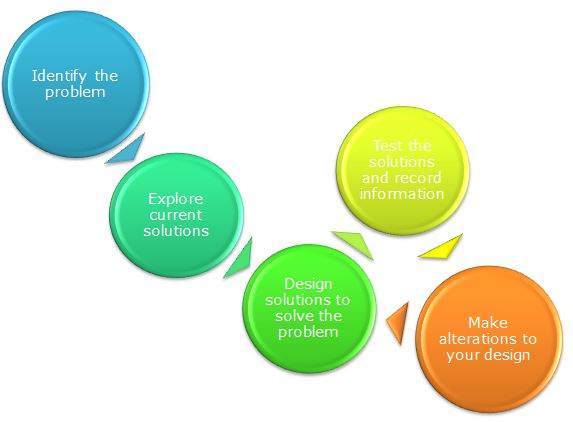
While reading over my posts and other
things I have put together today, I realised I have barely touched on another
side of teaching science and technology that is the Design and Make process.
This can be a very intimidating process
for teachers to undertake with their students, not only because they feel that
the sourcing and organisation of resources can be a major pain, but also that
design and make tasks can be messy.
Well we can't do much about the mess
except reinforce with our students that if they don't clean up after themselves
they won't be able to do the work. Ensuring we leave enough time in a lesson to
clean up and develop a clean up routine such as allocating two students to only
focus on cleaning up one particular thing. They touch nothing else and if you
allocate enough of those pairs of students, pretty soon your class will be
cleaner than before you began.
Now for resources; When I began
teaching science in my classroom I soon realised that I was going to need a lot
of resources. As I was often teaching the same lessons to a whole stage I
needed 120 of something at a time. So I had to collect, use things that were
free and change my thinking. What was rubbish to me and my parent community
could be a perfect design and make resource for my students.
So what did I collect:
« take away food containers - great for storing students bits and pieces
while a work is in progress. Great for mixed paint too.
« bread bag tags
« plastic and metal bottle lids - milk bottle, glue lids, beer bottle
tops,
« snap lock bags
« elastic bands
« corks
« paper clips
« bread bags
« paper towel rolls and toilet rolls (if your school allows)
« dry pasta
« used cds
« used wrapping paper and scraps of material
« ribbons
« cardboard tubes that are on dry cleaners hangers
« tissue and match boxes
« paddle pop sticks and balloons
« fruit netting bags
Your parent community may also work in places where
there are offcuts or items that are regularly thrown away, but could be used by
your students. Ask as you will never know what you will receive.
My general rule of thumb when collecting resources was; just because I can't imagine what the kids will do with it, doesn't mean it isn't useful.
Don't limit your students to your imagination and have fun with them. Often my lesson would consist of me sitting with a stanley knife cutting pipes, bending wires or cutting foam into the shapes my students wanted so they could turn them into fantastic new objects.
Lastly a word for the neat freak teachers out there; let go and enjoy your students using their creativity in a new way.
My general rule of thumb when collecting resources was; just because I can't imagine what the kids will do with it, doesn't mean it isn't useful.
Don't limit your students to your imagination and have fun with them. Often my lesson would consist of me sitting with a stanley knife cutting pipes, bending wires or cutting foam into the shapes my students wanted so they could turn them into fantastic new objects.
Lastly a word for the neat freak teachers out there; let go and enjoy your students using their creativity in a new way.
Jenni