Showing posts with label primary school science. Show all posts

Monday, 6 May 2013

Starting with the basics; the processes we must follow.

For years of teaching elementary/primary school aged students, I struggled with how to create the best plans for students to best apply the investigating scientifically and design and make processes in my lessons.
Of course we have to start with the basics of what the two processes look like, then get into the nitty gritty of how to implement them in a classroom.

The process of Investigating Scientifically is as follows;


In part from the NSW Department of Education and Training 2005


This is the basis from which all science invesigations should be developed. Of course the level of complexity to which you teach it will be based on your grade level. For example I wouldn't teach a kindergarten student to write a hypothesis, but I certainly would ask them to make predictions and try to justify those to me. Any way we can encourage our students to think independently is great training for them.

When teaching science practically we are generally either teaching students to investigate scientifically or to design and make. 

The Design And Make process is as follows. 
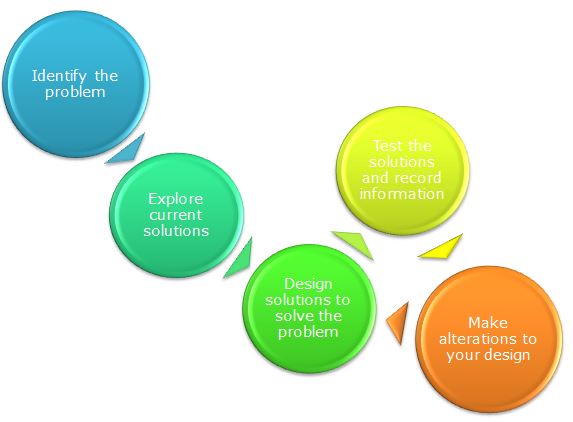

This really gives students an opportunity to let their creative juices flow. Even from kindergarten they can be learning to identify an issue, create solutions for it, evaluate those solutions then make changes to their original ideas.

In the coming blogs I will be discussing how to create proformas for students to use in their science work when completing these processes and take a closer look at the meat and bones of a scientific investigation. We will look at 'fair testing', writing hypothesis and predictions and how students can collect information from which to base their results.


Thursday, 2 May 2013

The beginning of an exciting adventure in science education.

Welcome!!! Today we embark on an exciting adventure. 

For years I have taught primary school science to enthusiastic open young minds, shared in student's successes and challenges and watched them engage in their lessons with creativity and zest. It's time to share with a wider audience the lessons I have taught and been taught by my students. 

I have seen science taught in schools where the staff have not been supported in their endeavour to improve science education and where there are limited teaching resources. I have met students who love science but their science experience revolved around worksheets and limited practical activities. I have scoured the web trying to find appropriate resources to teach the way I wanted to teach, often coming up short and having to create my own. 
What you will find here are teaching ideas, methodology, activities and processes that I hope will assist teachers to improve their science education. We have been told many a time that the students we teach now will work in jobs not yet created or thought of and I believe fostering creativity in science education will not only help those jobs to be created but enable students to become the creative workforce that drives development. 

I look forward immensely to conversing with the teaching profession about the teaching of science in primary/elementary schools not only in Australia, but internationally. I hope you find something of use in this blog. 


Jenni Bennett


Science lessons should elicit wonderment and creativity in the minds of our students.